Exploring Different Types of Art Exhibitions
Art exhibitions serve as vital platforms for artists to showcase their work and for audiences to engage with diverse creative expressions. In Ireland, the variety of exhibitions available can cater to different tastes and interests, from traditional galleries presenting renowned artists to local venues spotlighting emerging talents. This article delves into the various types of art exhibitions and provides insights into how they function within the cultural landscape.
Understanding the Basics of Art Exhibitions
Art exhibitions typically fall into several categories, each serving a unique purpose. The most common types include solo exhibitions, group exhibitions, themed exhibitions, and retrospective exhibitions. According to industry experts, these formats help curate experiences that resonate with different audience segments and foster deeper engagement with art.
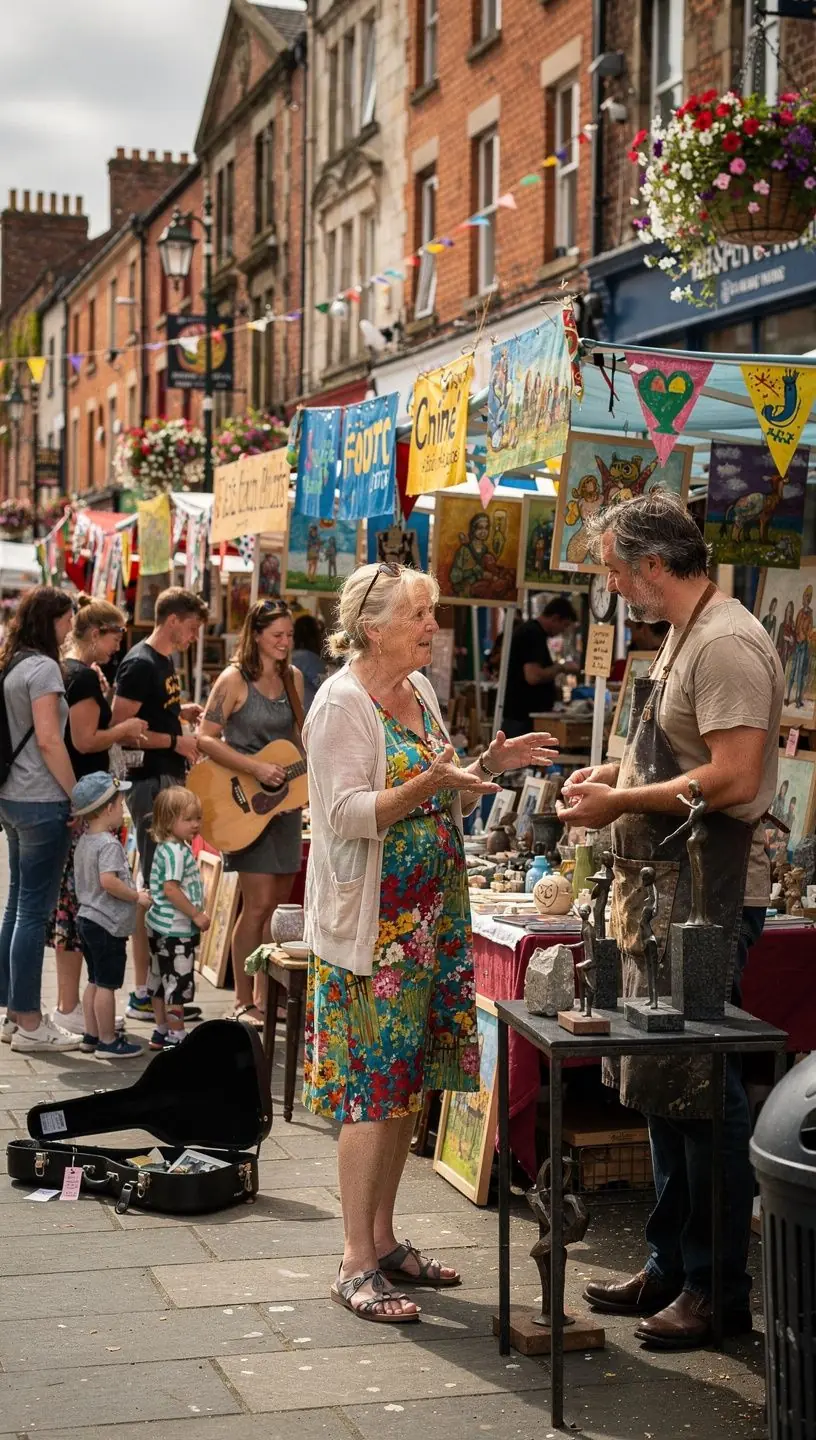
"Art exhibitions not only showcase creativity but also provide a space for cultural dialogue and community engagement." - Art Cultural Studies Journal
Types of Art Exhibitions
1. Solo Exhibitions
Solo exhibitions focus on the work of a single artist, allowing them to present a comprehensive view of their artistic vision. Research indicates that these exhibits can significantly enhance an artist's visibility and provide them with a platform to connect with their audience on a personal level. Typically, these exhibitions include a variety of works that illustrate the artist's style, techniques, and thematic interests.
2. Group Exhibitions
Group exhibitions bring together works from multiple artists, often centered around a specific theme or concept. Many users report that these exhibitions create a dynamic viewing experience by showcasing diverse perspectives and styles. They can help foster community among artists and encourage collaborative dialogue, making them a staple in many cultural spaces.
3. Themed Exhibitions
Themed exhibitions focus on particular subjects, mediums, or movements, such as abstract art or environmental themes. According to experts, these exhibitions are effective in educating audiences about specific topics and trends in the art world. They often include supplementary materials, such as guided tours and talks, to enhance visitor engagement.
4. Retrospective Exhibitions
Retrospective exhibitions are comprehensive displays of an artist's body of work over time. They typically highlight significant milestones and evolutions in the artist's career. These exhibitions can be particularly impactful, as they allow audiences to appreciate the depth and breadth of an artist's contributions to the art community.
Engaging with Art Exhibitions
Attending art exhibitions can be a rewarding experience, but it's essential to approach them with an understanding of what to expect. Many visitors find that taking time to engage with the artworks, attending opening receptions, and participating in related events enhances their experience. Here are some tips for making the most out of your visits:
- Research the Exhibition: Prior to your visit, familiarize yourself with the artists and themes presented. This background can deepen your understanding and appreciation.
- Participate in Events: Many galleries host discussions, workshops, or guided tours that can provide valuable insights into the works on display.
- Engage with the Community: Art exhibitions often attract like-minded individuals, making them great venues for networking and exchanging ideas.
Conclusion
Art exhibitions play a vital role in cultivating an appreciation for creativity and culture in Ireland. By understanding the various types of exhibitions, you can select experiences that resonate with your interests and enhance your engagement with the arts. While not every exhibition will resonate with every visitor, the diversity in formats and themes offers something for everyone. So whether you are exploring a solo show or a group exhibition, take the time to immerse yourself in the art and the stories behind it.