How to Curate an Effective Art Exhibition
Curating an art exhibition is a multifaceted process that requires careful planning, a keen understanding of artistic narratives, and an appreciation for the audience's experience. This guide will explore effective strategies to curate exhibitions that resonate with visitors while showcasing local artists and cultural themes.
Understanding the Role of a Curator
The role of a curator extends beyond simply selecting artworks to display; it involves creating a cohesive narrative that connects diverse pieces. Experts in the field suggest that successful curators need to consider the following:
- Artistic Intent: Understand the message behind the artworks and how they relate to each other.
- Audience Engagement: Tailor the exhibition experience to meet the interests and expectations of the audience.
- Logistical Planning: Organize the layout, lighting, and space effectively to enhance the viewing experience.
The Curatorial Process
According to research conducted by the Museum Association, a structured curatorial process can significantly improve the impact of an exhibition. This process typically involves several key stages:
- Concept Development: Define the theme or concept of the exhibition. This works best when it reflects current cultural conversations or highlights local artists.
- Artwork Selection: Choose pieces that align with the exhibition’s theme. This involves visiting studios, collaborating with artists, and possibly reviewing artworks through digital platforms.
- Installation Planning: Create a floor plan outlining how the pieces will be displayed. Consider factors such as sightlines, flow of movement, and lighting to enhance visibility.
- Promotion and Outreach: Engage with the community through social media and local events. Research indicates that effective outreach can boost attendance by 15-20%.
Engaging the Audience
Creating an interactive experience can significantly enhance visitor engagement. Many users report that hands-on activities or guided tours lead to a deeper appreciation of the artworks. Here are some effective strategies:
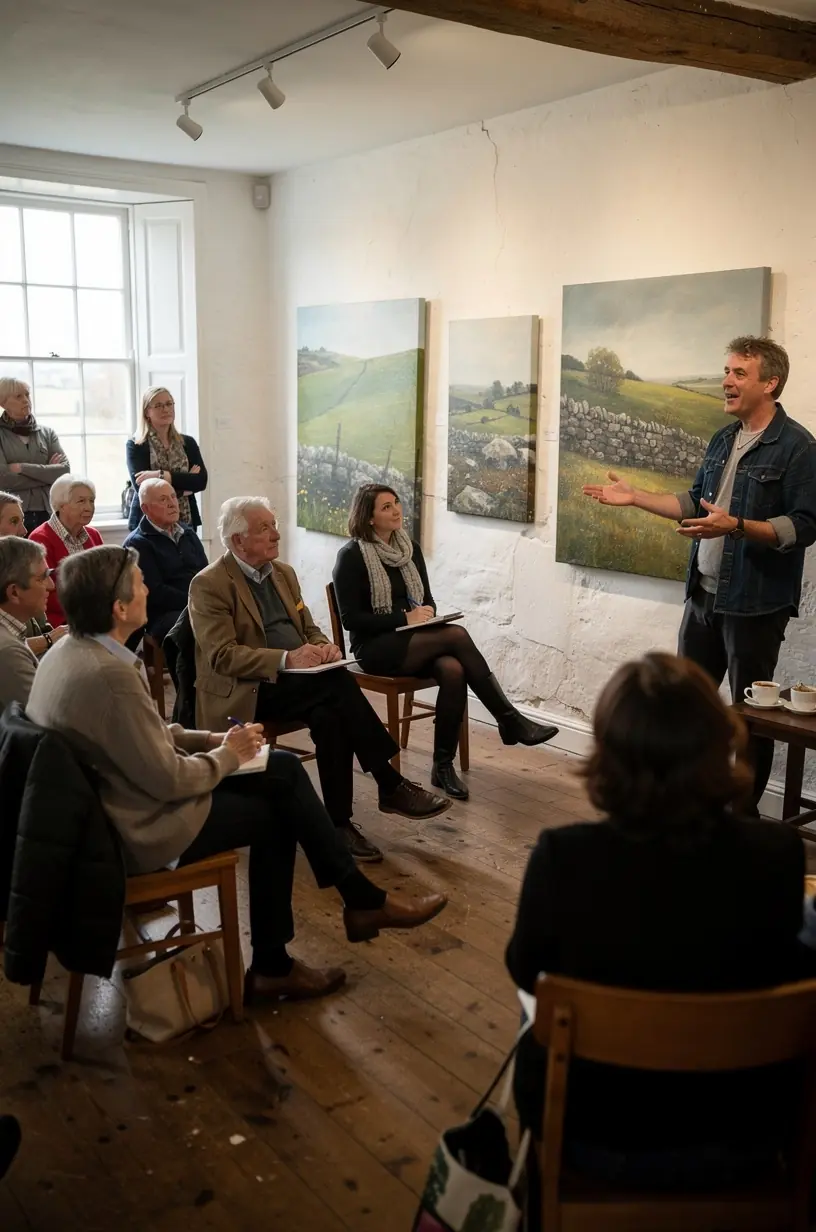
- Workshops and Talks: Host events where artists can discuss their work and creative processes. This not only educates visitors but also fosters a connection between the audience and the artists.
- Interactive Displays: Incorporate technology, such as QR codes linked to audio guides or augmented reality, to provide additional layers of information about the artworks.
- Feedback Opportunities: Encourage visitors to leave comments or participate in surveys to gauge their experiences. This feedback can help shape future exhibitions.
"An effective exhibition is one that not only showcases art but also cultivates dialogue and connection among its viewers." - Art Curator
Acknowledging Challenges
While curating an exhibition can be rewarding, it often involves challenges. For instance, securing funding or sponsorship may require time and effort. Additionally, working with artists might involve navigating different personalities and expectations. Typically, curating an exhibition can take anywhere from 2-4 months, depending on the scope and complexity.
Conclusion
In summary, curating an effective art exhibition is a nuanced process that blends creativity with strategic planning. By understanding the role of a curator, engaging the audience, and acknowledging potential challenges, curators can create compelling experiences that celebrate local artistry and foster cultural conversations. This approach not only enhances the exhibition's impact but also strengthens community ties through shared artistic appreciation.
Learn More