Understanding the Process of Rotating Art Shows
Rotating art shows have become increasingly popular in exhibition galleries, providing dynamic opportunities for local artists and enriching cultural experiences. In this article, we delve into the methodical approach behind these exhibitions and offer insights into their implementation.
Understanding the Basics
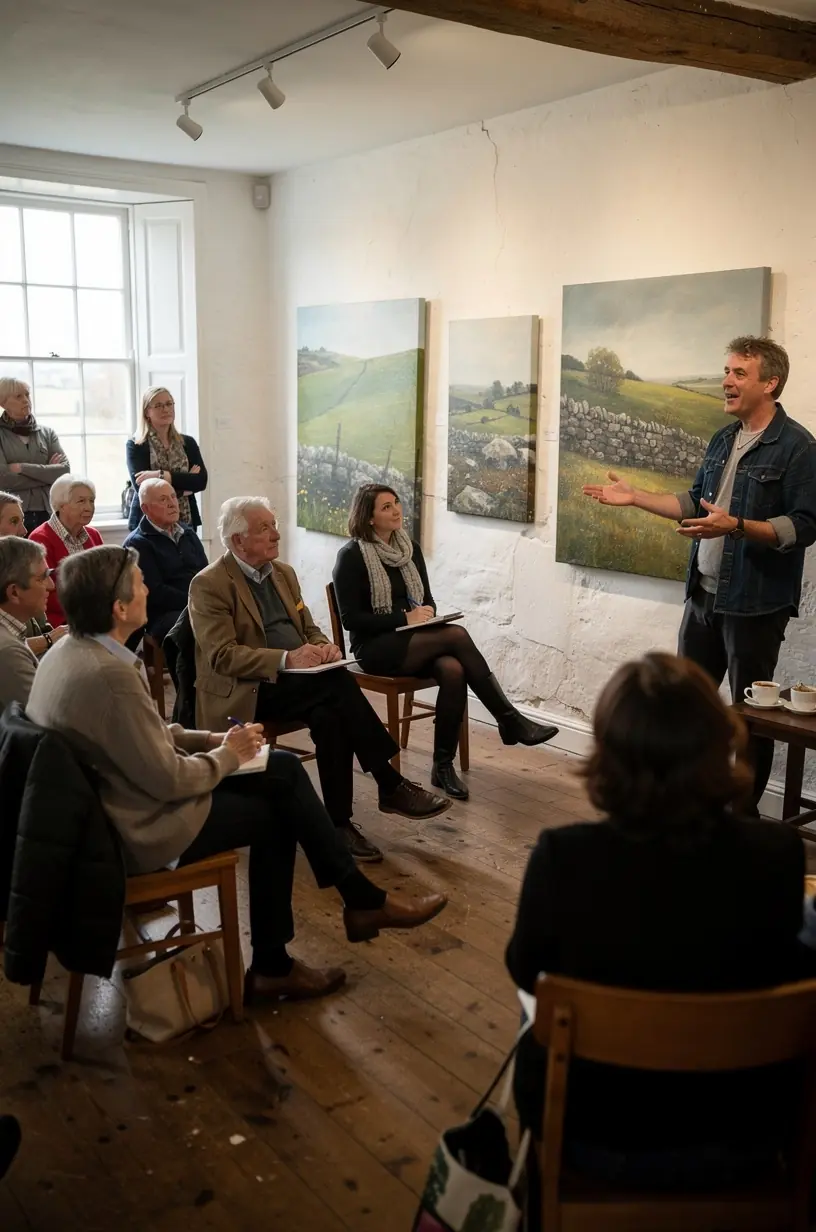
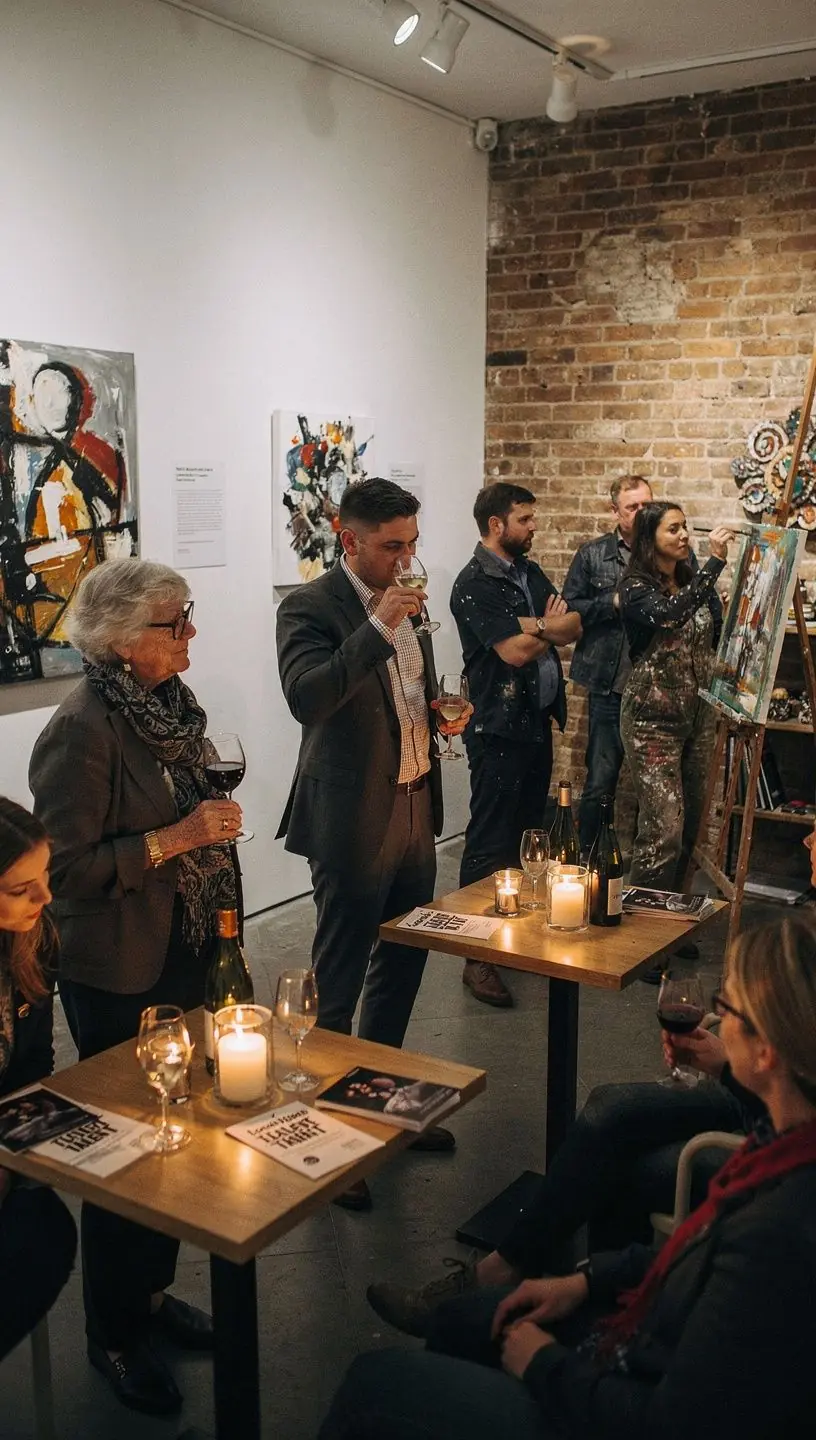
Rotating art shows typically involve the systematic change of exhibited artworks at regular intervals, allowing galleries to showcase a variety of artists and styles. This practice not only keeps the exhibition fresh but also attracts diverse audiences who may appreciate different artistic expressions. According to industry experts, rotating exhibitions can enhance visitor engagement by up to 40%, thereby fostering a vibrant cultural dialogue.
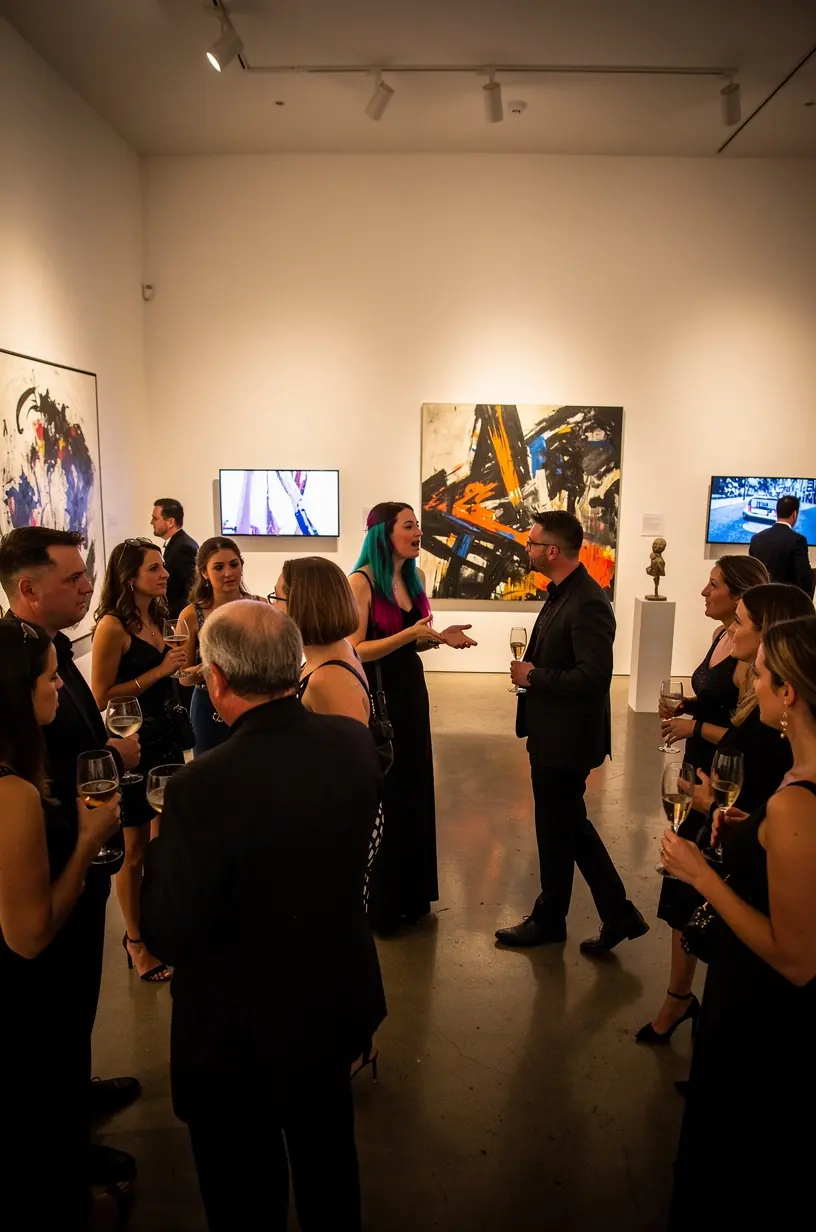
"Rotating art shows help galleries maintain relevance and stimulate interest in the arts," says Dr. Jane O'Sullivan, an art management researcher.
Why Rotating Art Shows Matter
The principle behind rotating art shows is grounded in the concept of novelty and accessibility. Studies show that frequent changes in exhibitions can lead to higher visitor turnout. This is because art enthusiasts are often eager to see new works, and galleries that regularly update their offerings can sustain long-term interest. Moreover, showcasing local artists provides them with valuable platforms to reach wider audiences, which can significantly impact their careers.
Practical Application of Rotating Shows
Implementing a rotating art show involves several key steps:
- Planning: Gallery curators typically begin by identifying a theme or focus for the upcoming rotation. This could range from a specific artistic style to a celebration of cultural heritage.
- Artist Selection: In most cases, galleries may choose to feature local artists, which fosters community support and encourages participation. Research indicates that local showcases can enhance an artist's visibility and contribute to a sense of community pride.
- Exhibition Setup: The installation process typically takes 1-2 weeks, requiring careful consideration of space, lighting, and the flow of visitor traffic. Experts recommend involving the artists in this stage to ensure their works are displayed in a manner that aligns with their vision.
Acknowledging Limitations
While rotating art shows present numerous benefits, there are challenges to consider. For instance, setting up an exhibition can require significant logistical effort, including coordination with artists, transport of artworks, and setting up the display. Furthermore, galleries need to allocate sufficient time and resources to promote each new exhibition to maximize attendance.
Setting Clear Expectations
Gallery administrators should aim to establish realistic timelines for each rotation, as this not only helps in planning but also in managing audience expectations. Typically, the planning and execution of a rotating show can require 2-4 months of preparation, depending on the scale of the exhibition.
Conclusion
Rotating art shows play a vital role in the cultural landscape, providing opportunities for local artists and engaging the community in meaningful ways. By understanding the underlying principles and practical steps involved in executing these exhibitions, galleries can create vibrant spaces for artistic expression. Ultimately, the effort invested in rotating shows not only enriches the visitor experience but also nurtures the growth of local art scenes, fostering a culture of creativity and appreciation.
Learn More