Exploring the Impact of Local Art on Communities
Local art is more than just aesthetic appeal; it serves as a catalyst for community engagement, social cohesion, and economic development. In this article, we will delve into how local art exhibitions and cultural events can transform communities, supported by research and expert insights.
Understanding the Basics
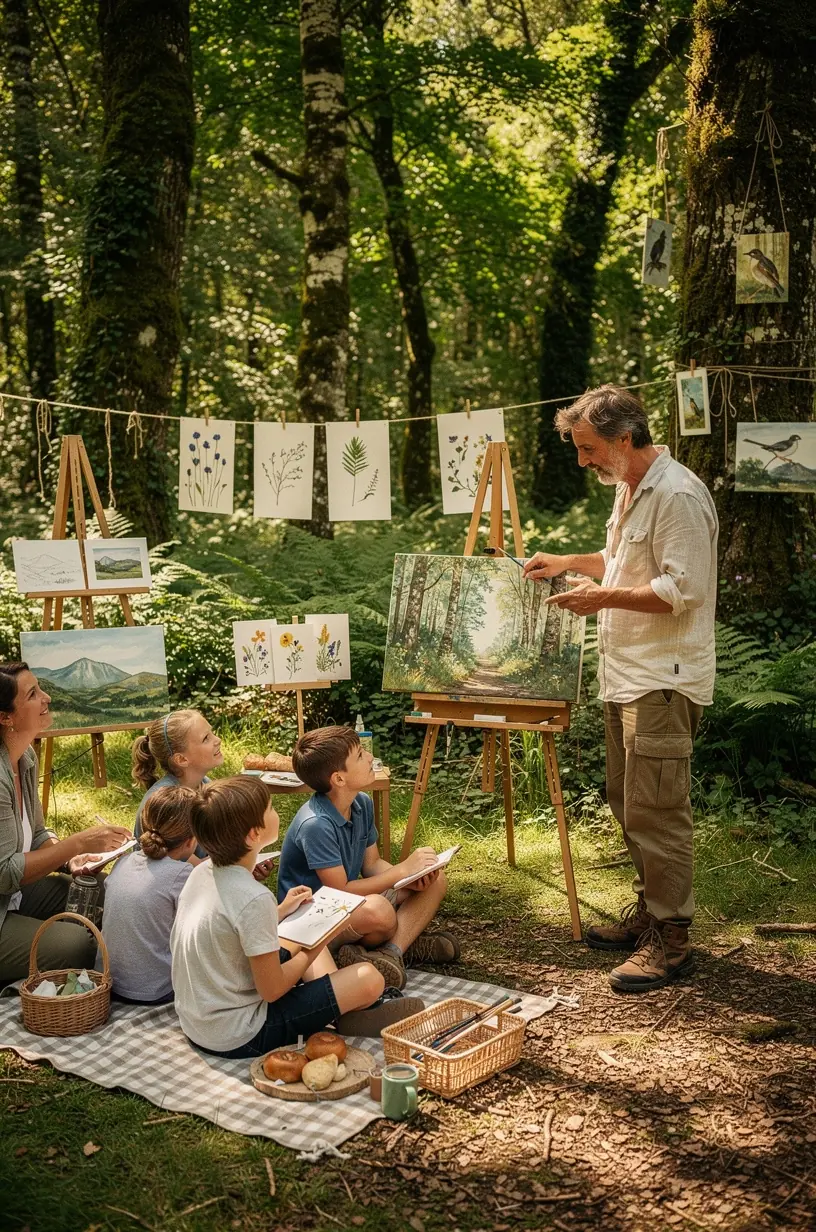
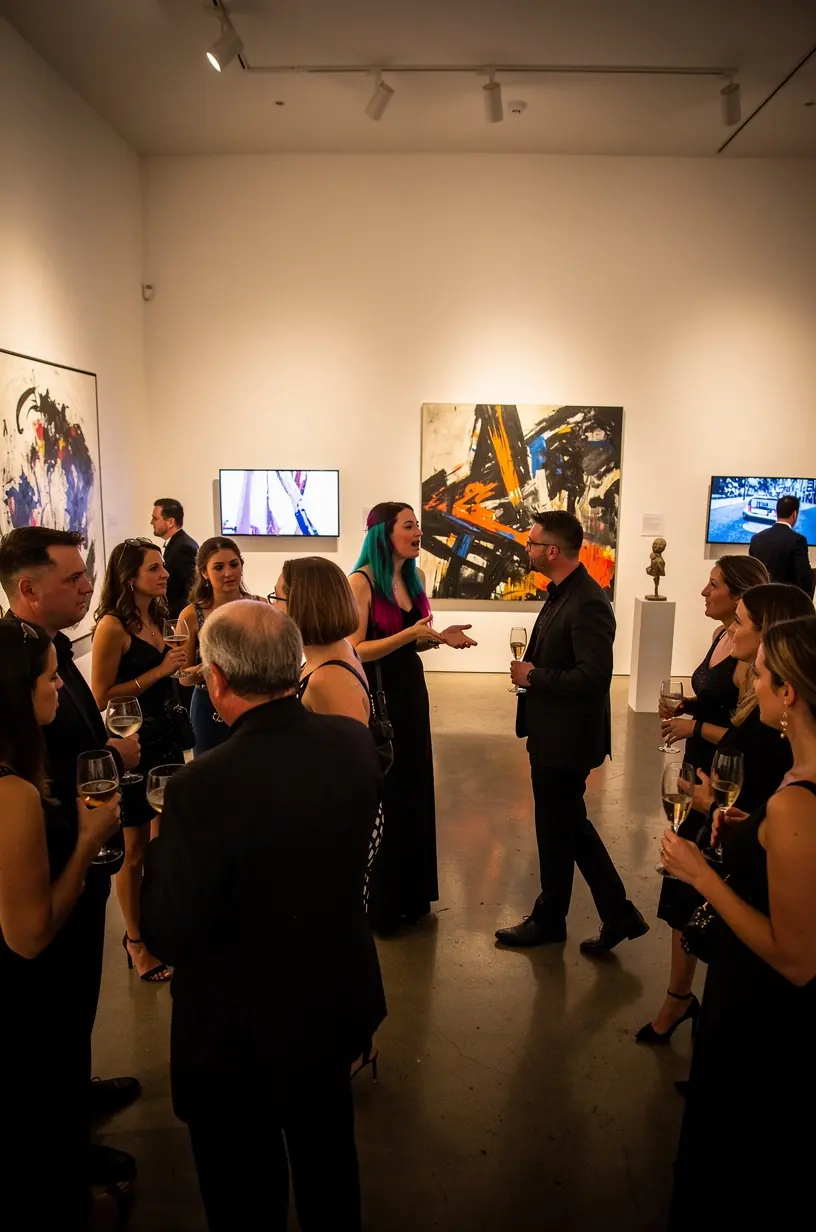
Art has the power to influence communities in various ways. According to a report by the Arts Council of Ireland, community-based art projects can enhance local identity and foster a sense of belonging among residents. This is especially true in areas that host regular art exhibitions and cultural events, which often serve as gathering points for community interaction.
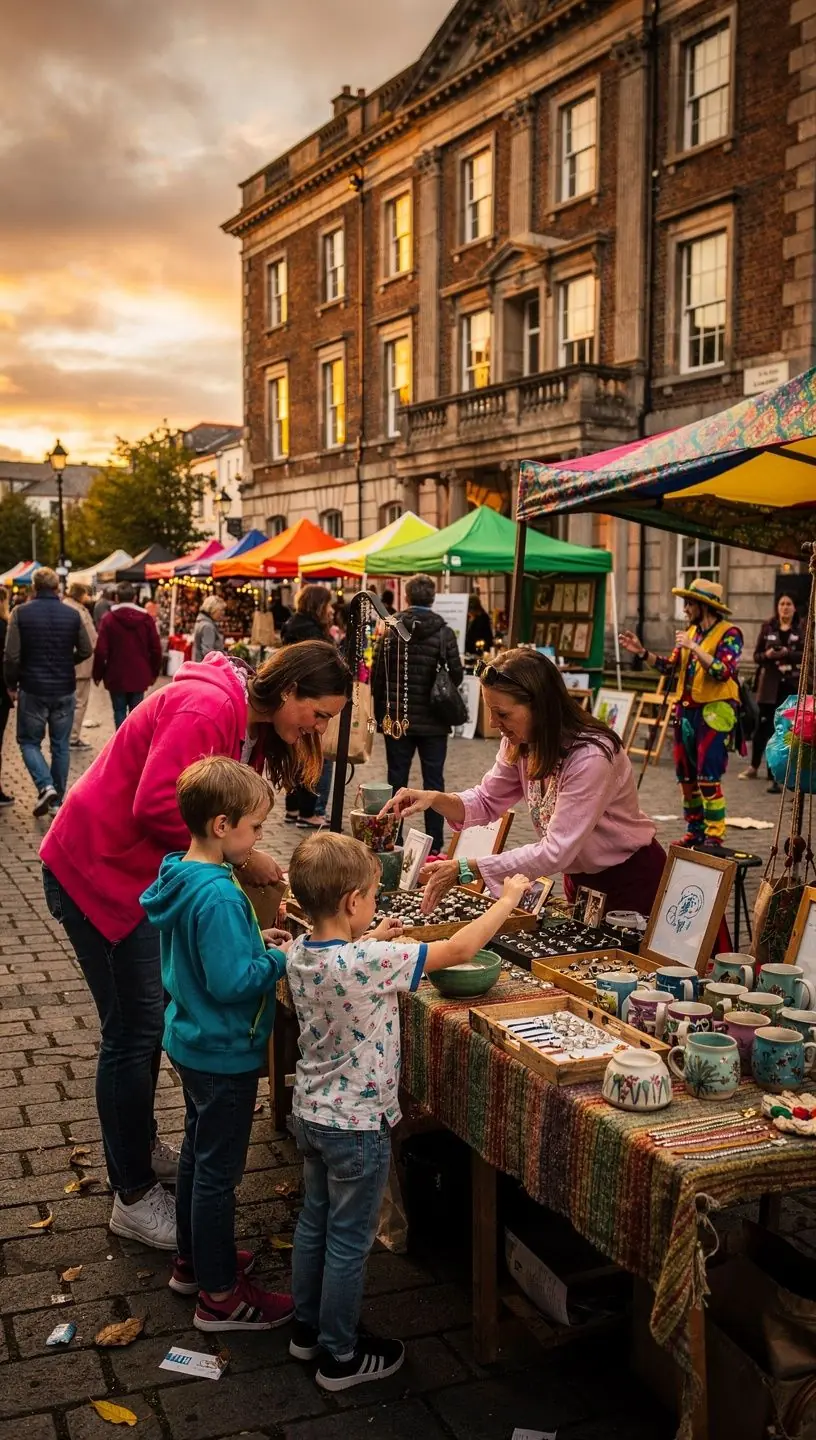
"Public art and cultural initiatives can create a dialogue among community members, making them feel more connected and invested in their surroundings."
The Role of Local Art in Community Development
Local art initiatives can lead to several positive outcomes, including:
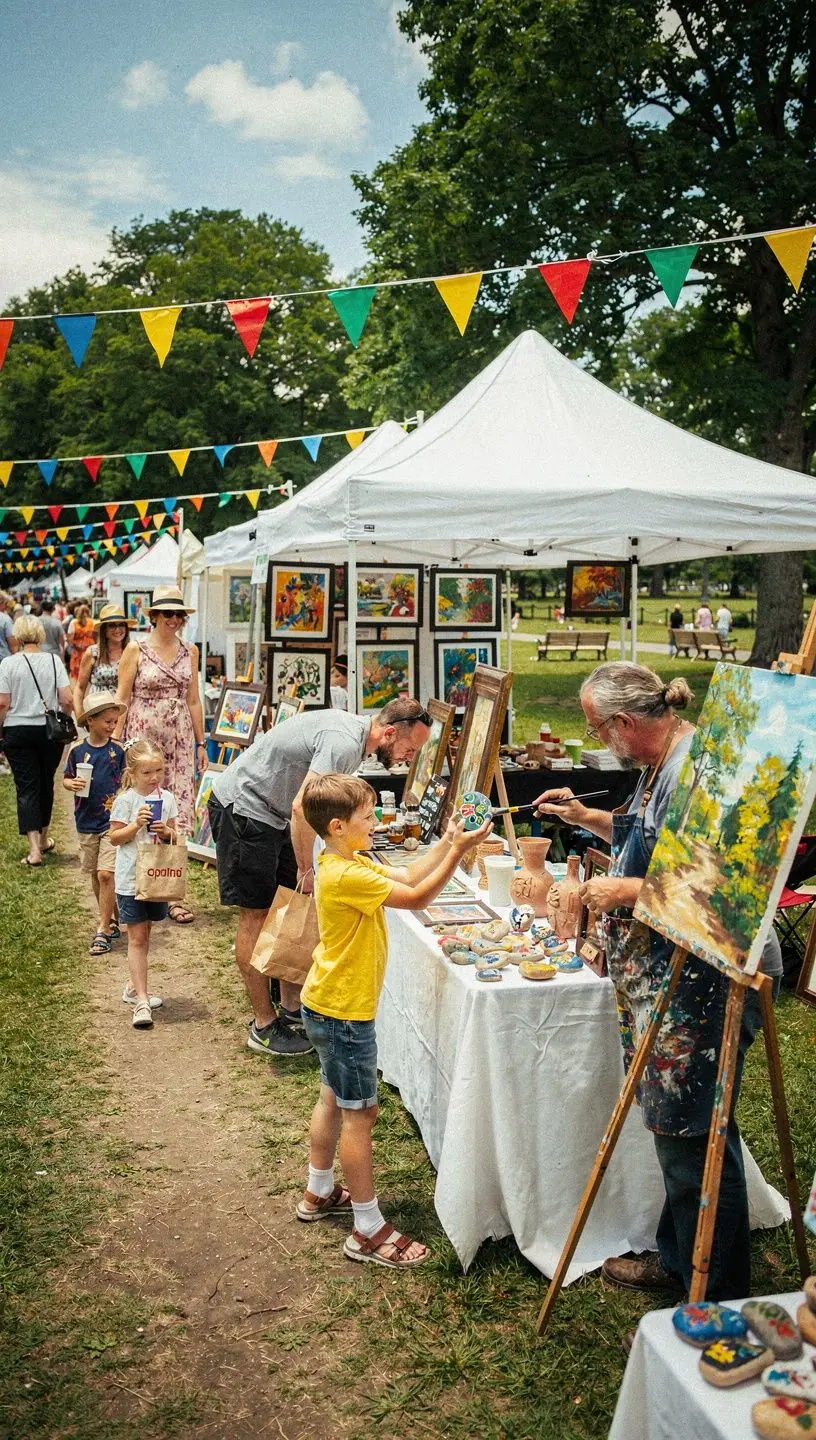
- Enhancing Economic Vitality: Research indicates that communities with vibrant art scenes typically experience increased foot traffic and spending in local businesses. A study from the National Endowment for the Arts found that arts and culture contribute significantly to local economies.
- Building Social Capital: Many users report that participation in local art projects helps forge new friendships and strengthen existing relationships. Art workshops and exhibitions can create safe spaces for dialogue and collaboration among diverse community members.
- Encouraging Creative Expression: Experts recommend supporting local artists through exhibitions to foster an environment of creativity. This can lead to innovative ideas that address community issues, as artists often offer unique perspectives that challenge the status quo.
How Local Art Affects Community Engagement
The principle behind using local art to boost community engagement lies in its ability to reflect and celebrate local culture. Art serves as a mirror, allowing community members to see themselves represented. This inclusivity often results in greater participation in community events.
For instance, studies show that art events often engage a broader audience than typical community meetings, drawing in individuals who might otherwise feel excluded. This engagement is essential for fostering a sense of ownership and pride among residents.
"Art has the unique ability to connect people from different backgrounds, creating a shared experience that transcends individual differences."
Challenges and Limitations
While the benefits of local art initiatives are substantial, it is important to acknowledge that these efforts require time and dedication. Establishing a successful art program typically takes 6-12 months of planning and community involvement. Additionally, ongoing engagement is crucial, as interest may wane if events are infrequent or lack variety.
Moreover, not all art initiatives will resonate with every community. It's vital to consider the unique cultural context and preferences of the local population when planning art projects. This tailored approach often yields the most effective results.
Conclusion
Local art plays a significant role in shaping vibrant communities by enhancing social ties, boosting local economies, and encouraging creative expression. While challenges exist, the potential benefits often outweigh the risks. As communities in Ireland continue to embrace local artists and cultural events, it is crucial to invest in these initiatives, fostering an environment where creativity can thrive.
In conclusion, prioritizing local art can lead to a stronger community fabric, making it an essential focus for local governments, organizations, and community members alike.
Learn More